

+918042781554

Currently it only shows your basic business info. Start adding relevant business details such as description, images and products or services to gain your customers attention by using Boost 360 android app / iOS App / web portal.

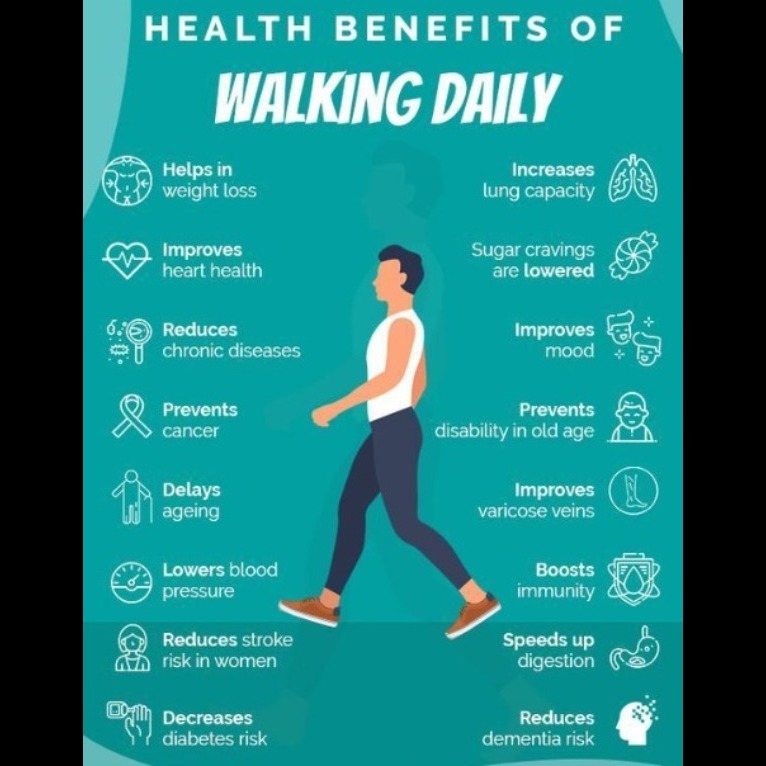
Heart disease continues to be the leading cause of death worldwide, and India is witnessing an alarming rise in cardiovascular illnesses among younger adults. While medical advances have transformed the treatment of heart disease, prevention remains the most powerful strategy. Among all lifestyle interventions, brisk walking stands out as one of the safest, simplest, and most effective ways to protect your heart. Why Brisk Walking Matters Walking is a natural form of exercise, but brisk walking is different. It means walking at a pace that increases your heart rate and breathing while still allowing you to hold a conversation. Typically, this is around 5–6 km/hour, though the ideal pace varies with age and fitness level. Just 30 minutes of brisk walking, five days a week (150 minutes per week) can significantly reduce the risk of cardiovascular disease. How Brisk Walking Improves Heart Health Research consistently demonstrates that individuals who engage in regular brisk walking experience: • Up to 30–35% lower risk of cardiovascular disease • Lower incidence of heart attacks and strokes • Better blood pressure and blood sugar control • Improved cholesterol levels • Increased life expectancy • Enhanced quality of life The benefits begin within weeks and continue to accumulate over time. How Much Walking Is Enough? For most healthy adults: • 150 minutes of moderate-intensity exercise per week • Approximately 30 minutes of brisk walking on at least five days each week • Beginners can start with 10–15 minutes daily and gradually increase duration and pace. If continuous walking is difficult, even three 10-minute brisk walks spread across the day provide meaningful health benefits. Tips for Safe and Effective Walking • Wear comfortable walking shoes. • Begin with a 5-minute warm-up. • Maintain an upright posture. • Swing your arms naturally. • Walk at a pace that raises your heart rate but still allows conversation. • Stay hydrated. • Finish with gentle stretching. Individuals with known heart disease, chest discomfort, severe breathlessness, or uncontrolled blood pressure should consult their physician before starting a new exercise program. As cardiologists, we often prescribe medications to manage heart disease. However, one of the most powerful 'prescriptions' cannot be found in a pharmacy—it begins with putting one foot in front of the other. Your heart is designed to move. Every brisk walk is an investment in a healthier heart, a stronger body, and a longer, more active life.


